

What Founders Are Getting Wrong About Press
And why PR is entering its best era yet.

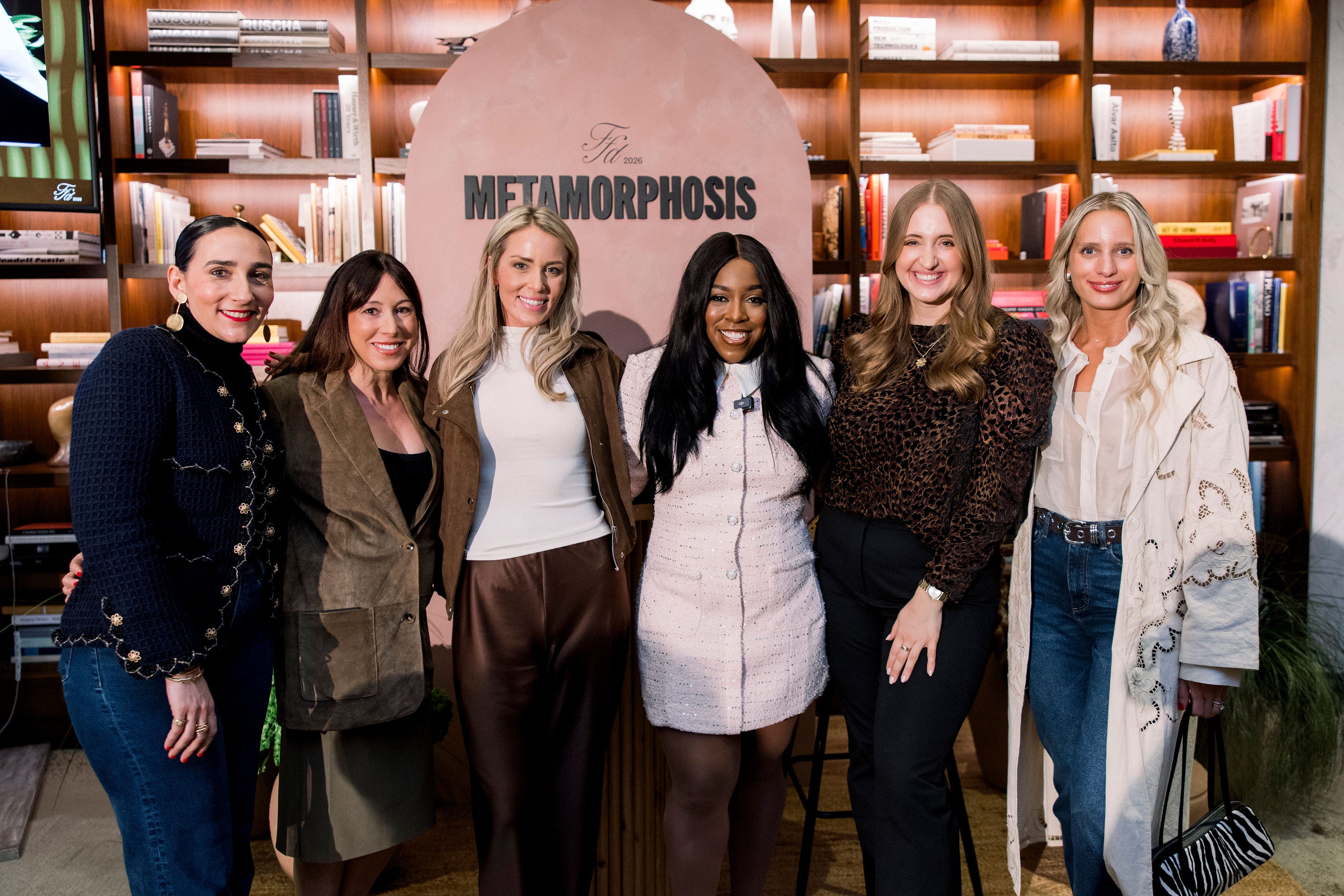
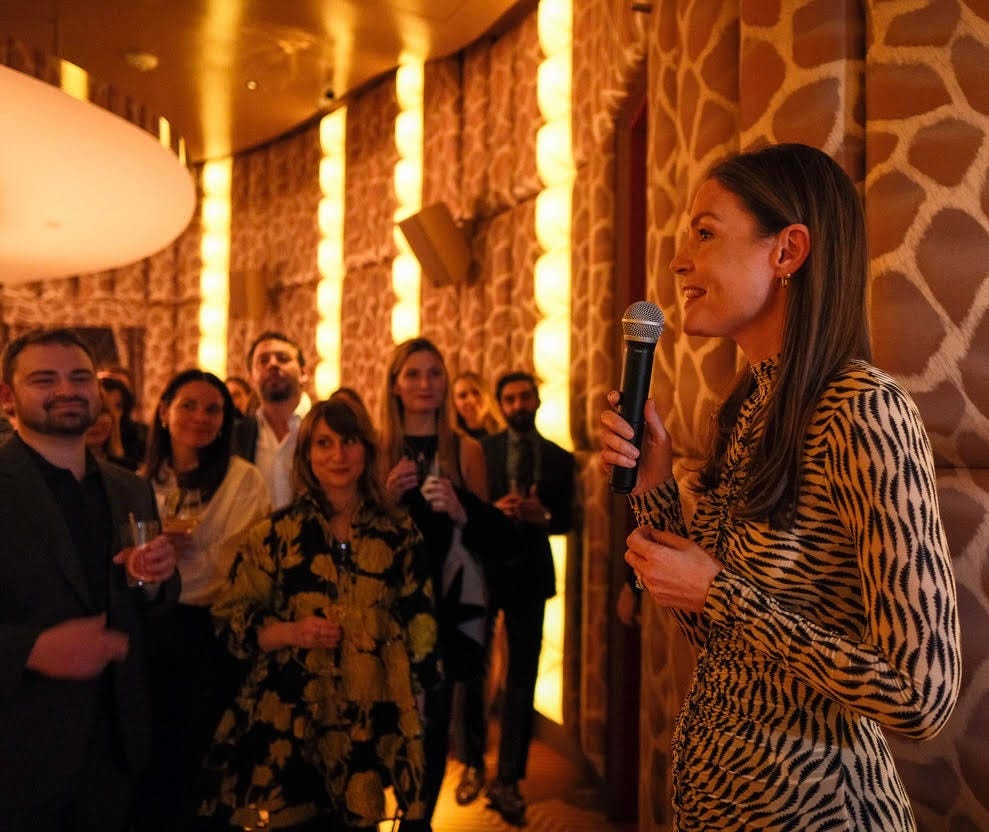
In honor of International Women’s Day, I spoke at Female Founders Day in New York last week, breaking down one of my favorite topics: how founders can get press without a traditional PR agency.
(Shoutout to Rebecca Minkoff, Ali Wyatt, Avary Bradford, and the entire team for having me again this year, for the biggest Female Founders Day, themed Metamorphosis. It featured over 500 women, 4 stages, and 47 speakers.)
Here are three themes that came up in my mentor circle.
Let’s get into it.

Do journalists prefer hearing from founders directly or from a PR firm?
(And part 2 of this question: Does having a PR firm make a brand seem more legitimate?)
This is a big one and here’s the truth: Journalists don’t care whether the pitch or e-mail comes from a founder or a PR firm. We care whether there’s a compelling story.
Journalists care about clarity and story, not who sends the e-mail. And tbh a founder’s voice can sometimes be stronger and more alive than a PR person firing off a bunch of pitches.
We care more about the how and especially the what, more than the who. (The message and brand’s ethos make a bigger impact than who is sending the message.)
A compelling pitch from a founder will always beat a bad pitch from a PR firm.
That said, PR firms can be helpful because they understand how the media world works. They understand timing, angles, and have access to top media outlets, publications and influencers.
But founders shouldn’t feel like they need PR to get coverage, especially if they don’t yet have the resources to invest in a PR firm. Some of the best stories I’ve written came directly from founders who had a compelling story and angle, and who knew how to build a rapport with me that felt authentic.
(Read this issue about magnetic brands, which didn’t have PR, for more inspiration.)
When pitching a journalist, should founders clearly state the type of coverage they’re hoping for?
Short answer: yes, but carefully.
Journalists actually appreciate clarity. If you’re hoping for something specific like a founder feature, a trend story, or a gift guide inclusion, it’s perfectly fine and appreciated to say so.
But the key is to frame it as a story idea, not a demand, a transaction or an expectation.
Instead of saying “I’d love a feature about my brand,” try something like:
“I thought this could be interesting for a founder feature in May during AAPI or potentially a story around how I’m building in public on Substack.”

Remember: journalists are looking for ways to inspire their readers, and if you’re doing something that shakes shit up or proves that you’re marching to your drum beat, that’s pretty compelling.
A key piece of advice I share is that “flirting with” and engaging with a journalist is a great tactic (while always staying professional, of course).
Tell me what stories resonated with you, share some stories and show them love, and pay attention to my beat. Relationship building can go a long way.
Why isn’t my story converting into press?
Sorry not sorry: Your launch does not make for an interesting story.
Ask yourself:
Is there a cultural angle?
What is your brand story and ethos?
Do you have a proven track record, as a founder or executive?
Is the timing ideal? (Tell me, why now?)
Is there tension or insight?
Are there metrics that reveal something unique, disruptive and inspiring?
The truth is, press often comes down to one thing: is your story compelling?
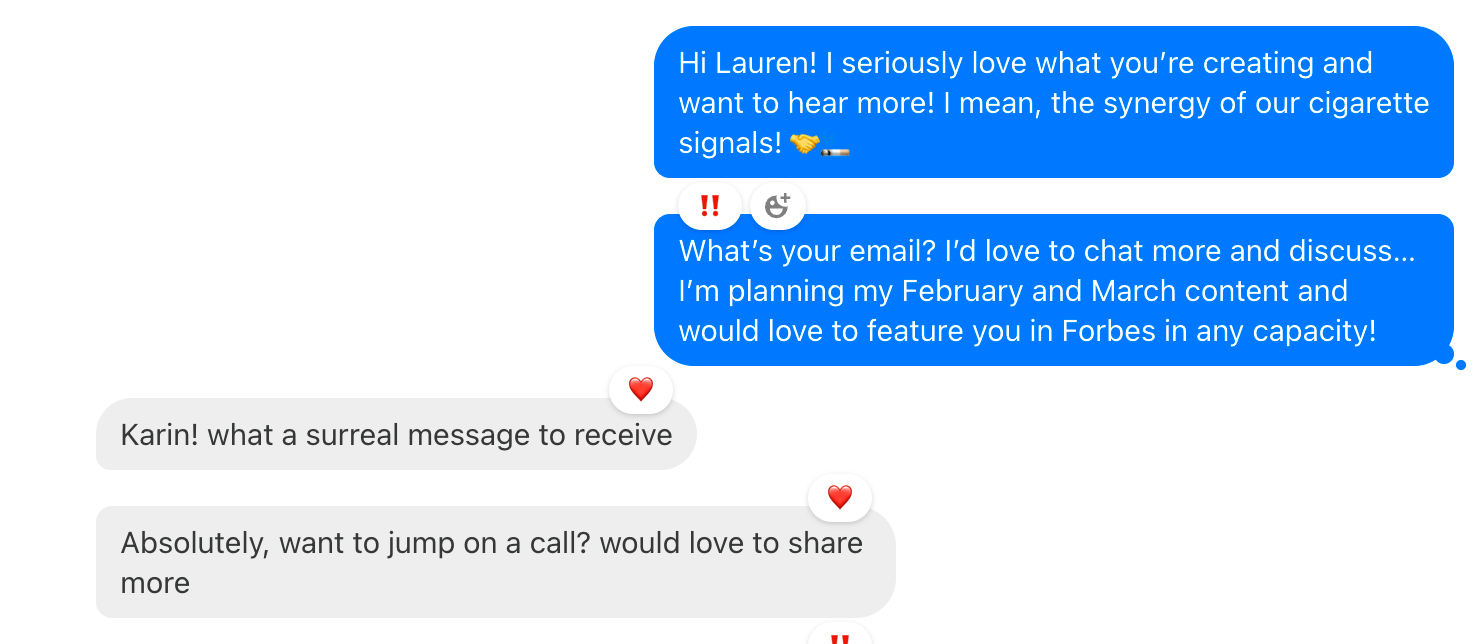
Instead of pitching journalists about your launch, try sharing your story on LinkedIn and / or Substack. A story that went live this week on Forbes, about the brand Sleep or Die, came to be because I discovered the founder Lauren Sudeyko on Substack, and was also impressed by her “build in public” playbook on LinkedIn.
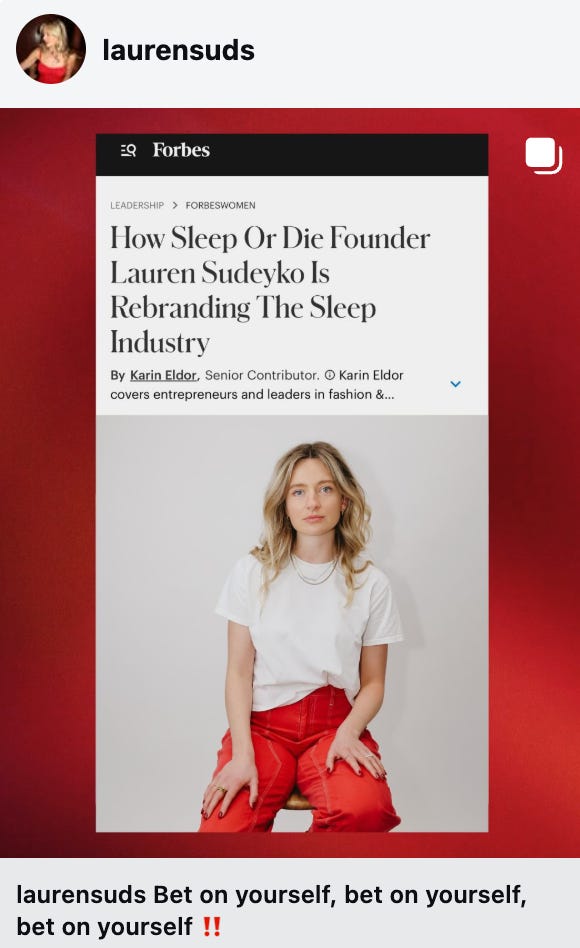
Try it out! LinkedIn doesn’t have to be cringe - it can truly become a place to build fans and attract storytellers like me.
What attracted me most? Lauren’s disruptive marketing strategy, her branding, and the waitlist and community of “zombies” she built. The brand name “Sleep or Die” was enough to stop me in my tracks.
I always say, it takes one yes. One right moment, one right journalist, one perfect storm when everything just works together.
You’ve totally got this.
5 Reasons Why PR Is Actually In Its Best Era Yet
While founders are still learning how media works, the PR industry itself is evolving in fascinating ways.
I spoke with Lisa Smith, founder of The PR Net, about why she believes this is actually one of the most exciting moments to work in PR.
Founded in 2015, The PR Net has grown into one of the industry’s most influential global communities, bringing together marketing and communications professionals through events, editorial content, awards, and a thriving Slack network.
Here are five reasons why Lisa believes PR is entering a powerful new chapter.
5 Reasons Why It’s a Great Time to Be in PR
1- Technology Is Making PR Smarter
I don’t know if it’s because we are leaning deep into our own tech stack right now (with great outcomes), but I’m excited about all the platforms we now have available. They’re enabling our industry to streamline work processes, leaving more time for the creative and fun part, which is why we’re here. Small shoutout to HubSpot and Zkipster, which allow us to run such a high volume of events and programs.
2- Collaboration Is Replacing Competition
I’m thrilled that our industry is embracing the power of collaboration, seeing the incredible value to be gained by seeking partnership with other brands and organizations. Our members’ Slack channel is abundant with messaging about partnership opportunities, and I’m also seeing increased interest in in-person networking, which is how a lot of partnership ideas are hatched.
3- Kindness Is Becoming the Culture
This is part of a more macro trend, but The Devil Wears Prada days of our industry seem to have withered away. Work/life balance and a kinder, more empathetic approach appear to be more the norm now.
4- The PR Playbook Has Never Been Bigger
When I was in my early career, marcomms (marketing communications) was much more formulaic. Now we have a huge toolbox of tactics to help achieve a brand’s objectives. The landscape has become more complex in that there are a hundred different ways you can get to a desired outcome, but it’s so much more interesting. This has also created more opportunity for agencies, which can offer a suite of different services under one roof.
5- PR Finally Has a Seat at the Table
With GEO entering the picture, media relations and PR have renewed and amplified strategic value. PR advisors are increasingly getting a seat at the table as strategic partners, being involved earlier in decision-making, which benefits both the brand stakeholders and PR practitioners.
The message matters more than the messenger. A strong pitch from a founder will always beat a weak one from a PR firm.
Launch ≠ story. Journalists are looking for compelling angles, strong timing, and insight, not product announcements.
Relationships matter. Follow journalists, understand their beat, and engage thoughtfully.
Sometimes, press really does come down to one right moment and one yes.
If you found this inspiring in any way, feel free to restack it so more of your founder friends see it too.
'You can't AI relationships. You can't AI taste.' The most experienced fashion PR person I know said this during fashion week. He's been at it twenty-five years. He's right.
Kindness IS becoming the culture!!! 😍